
Insurance prospecting sounds simple until outreach actually begins.
A sales team exports a broad “insurance industry” list, expecting agency owners, brokers, and producers. Then the database opens, and suddenly the campaign includes unrelated financial firms, inactive agencies, generic office emails, and contacts who have not worked in insurance for years.
That problem happens constantly in insurance outreach. The industry is fragmented, relationship-driven, and highly regional. Some agencies are independent. Others belong to national broker networks. Decision-making structures vary heavily depending on company size, specialization, and licensing structure.
A local insurance agency with five employees behaves very differently from a regional brokerage group operating across multiple states.
That is why insurance prospecting usually works better when sales teams focus more on targeting precision and verified contact quality instead of exporting the largest database possible.
The platforms below all help outbound teams reach insurance agencies and brokers differently, though some handle insurance segmentation much more effectively than others.
Insurance outreach depends heavily on accurate contact data
Insurance is one of those industries where generic outreach fails quickly.
A lot of agencies receive constant sales emails from vendors selling:
- Lead generation
- CRM software
- Marketing services
- Recruiting
- Compliance solutions
- Financial products
That means poorly targeted campaigns get ignored almost immediately.
Weak prospecting data creates even bigger problems because insurance agencies often have:
- Small teams
- Shared inboxes
- Changing producer roles
- Local office structures
- Multiple branch locations
A broad database may technically contain insurance businesses while still missing the actual decision-makers entirely.
That is why cleaner segmentation matters so much in insurance outreach.
Many insurance databases quietly include irrelevant businesses
This happens more often than sales teams expect.
A search for insurance agencies may accidentally include:
- Financial advisors
- Mortgage companies
- Benefits consultants
- Investment firms
- Healthcare billing providers
- General financial services
Technically related industries.
Operationally different buyers.
That overlap creates weak personalization and wasted outreach volume before campaigns even begin.
The strongest insurance prospecting workflows usually involve much narrower filtering from the start.
1. Emarketnow
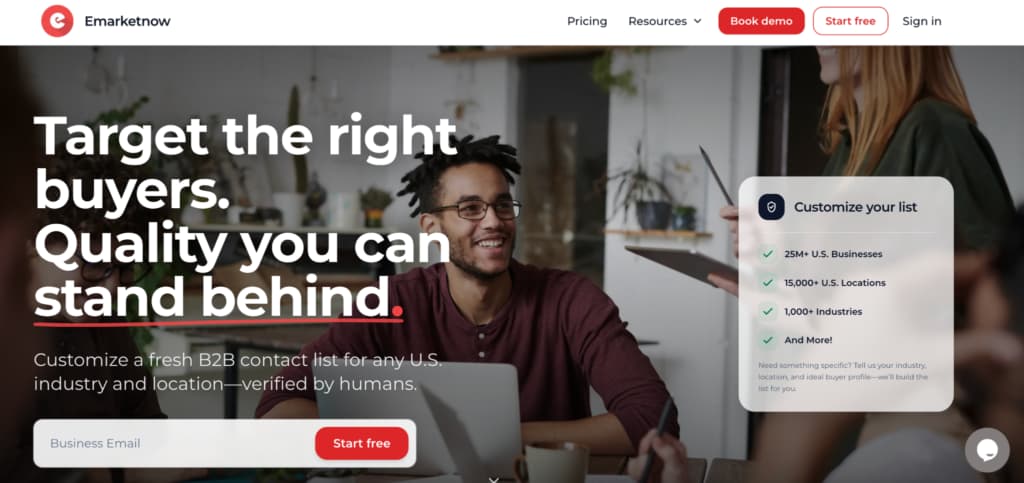
Insurance outreach is one of the clearest examples of why industry filtering matters more than pure database size.
Emarketnow approaches prospecting differently from many large-scale databases because the company focuses heavily on manually filtered targeting instead of relying entirely on automated exports pulled from massive recycled datasets.
That workflow includes:
- Human-reviewed company filtering
- Direct work emails
- Validated mobile numbers
- Narrower industry segmentation
- Cleaner insurance categorization
- Regional business targeting
That level of filtering becomes valuable very quickly inside insurance prospecting.
Many broad databases quietly mix unrelated financial services businesses together because maintaining highly granular insurance segmentation across massive datasets becomes a difficult operation.
A company targeting insurance brokers suddenly receives mortgage firms, financial advisors, and unrelated consulting businesses mixed into the same export.
Emarketnow puts much more attention into reducing those overlaps. That makes the platform especially useful for teams building a targeted insurance email list instead of relying on broad financial services databases filled with weak-fit records.
The workflow feels much more accuracy-focused than scale-focused overall.
2. ZoomInfo
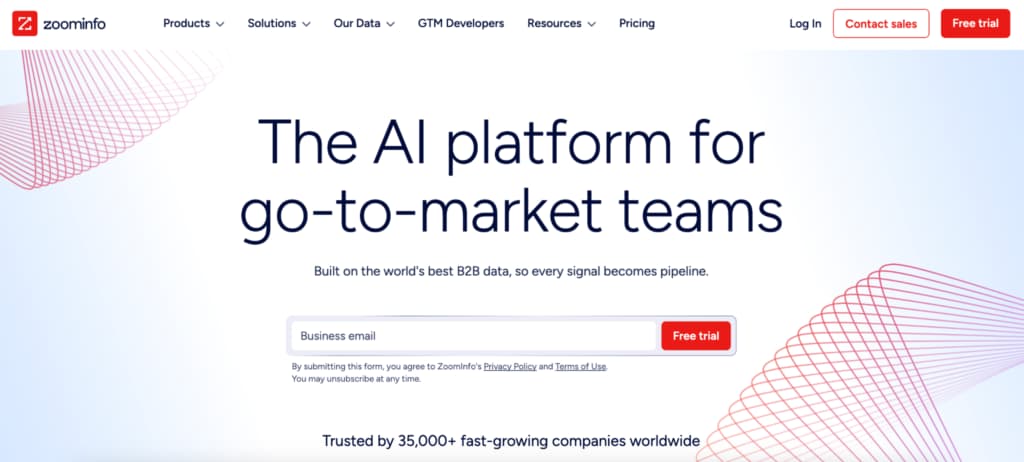
ZoomInfo remains one of the largest B2B prospecting platforms in the market.
The company built its reputation around:
- Massive company coverage
- Organizational intelligence
- Buyer intent data
- Technographic filtering
- Enterprise integrations
For companies targeting large insurance brokerages or enterprise-level financial organizations, ZoomInfo provides significant market depth.
The platform works especially well for teams selling into:
- Regional broker groups
- Multi-office agencies
- Enterprise insurance firms
- National organizations
At the same time, smaller outbound teams sometimes find the platform heavier than necessary for local agency outreach, where cleaner segmentation matters more than enterprise infrastructure.
3. Apollo.io
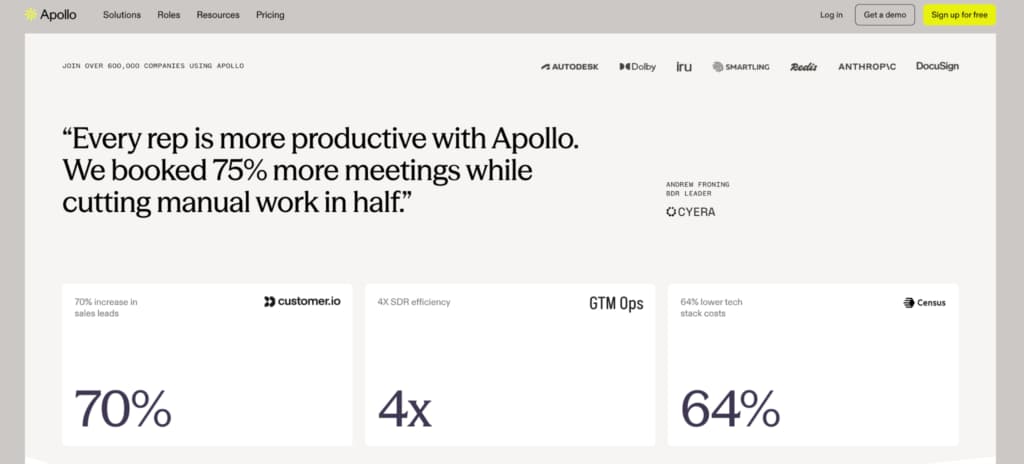
Apollo became extremely popular among SMB outbound teams because it combines prospecting and outreach inside one platform.
The system includes:
- Prospect discovery
- Outreach sequencing
- CRM syncing
- Browser extension workflows
- Contact enrichment
For insurance outreach, Apollo works well when teams need broad agency coverage quickly across multiple regions.
Sales reps can identify agency owners, producers, operations contacts, and office leadership without building lists manually.
The downside is that insurance-related filtering inside broad databases often requires additional cleanup afterward because unrelated financial services companies still overlap heavily. Many outbound teams manually refine exports before campaigns launch.
4. UpLead
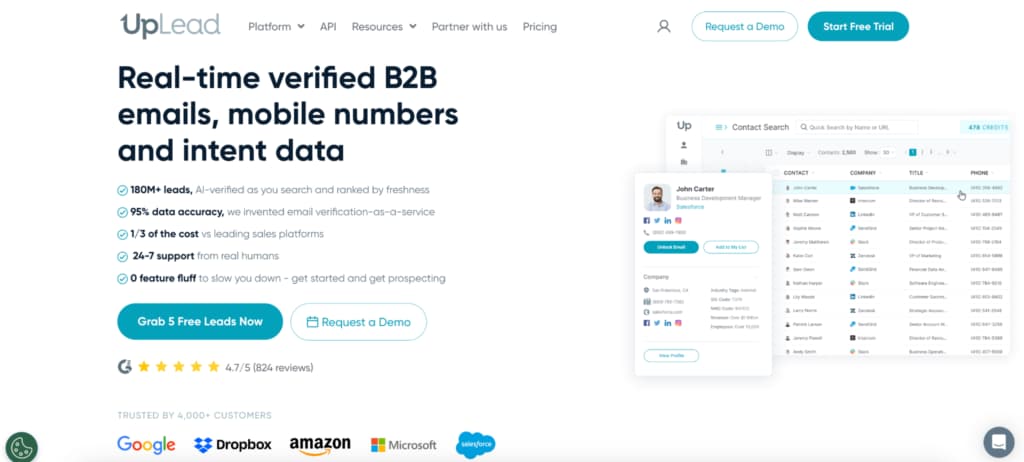
UpLead became popular among smaller outbound teams because the platform focuses heavily on verified contact data instead of giant enterprise ecosystems.
The platform includes:
- Real-time verification
- Prospect filtering
- CRM integrations
- Direct business contacts
- Technographic search
Insurance outreach benefits heavily from cleaner verification because bounce problems compound quickly during cold email campaigns.
A lot of SMB sales teams prefer UpLead because the exports generally require less cleanup afterward compared to broader databases.
5. SalesIntel
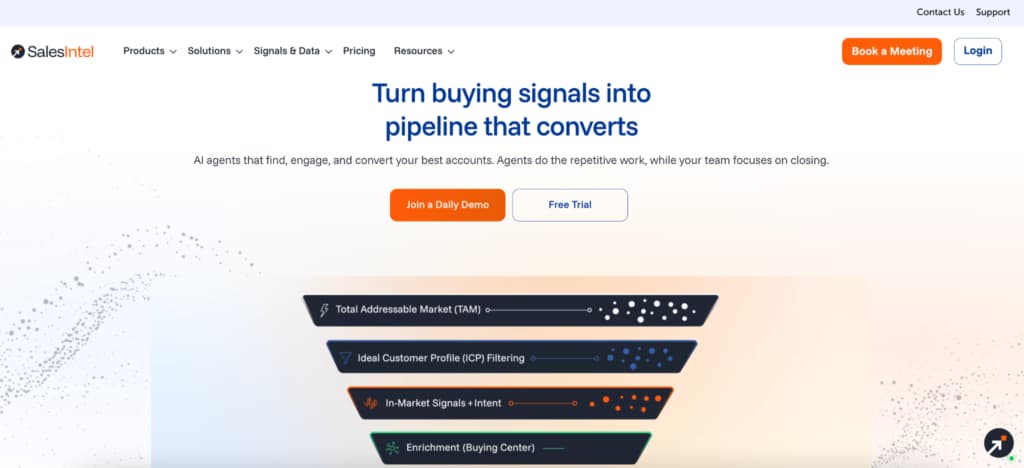
SalesIntel positions itself heavily around human-verified prospecting data.
That approach fits insurance outreach particularly well because stale records create major deliverability and targeting problems quickly.
The platform emphasizes:
- Human-reviewed contacts
- Direct dials
- Verified business records
- Buyer intent workflows
- Account targeting
Compared to scale-first databases, SalesIntel leans much more heavily into accuracy and manual review.
That becomes valuable when teams need actual agency decision-makers instead of giant exports filled with questionable records.
6. Cognism
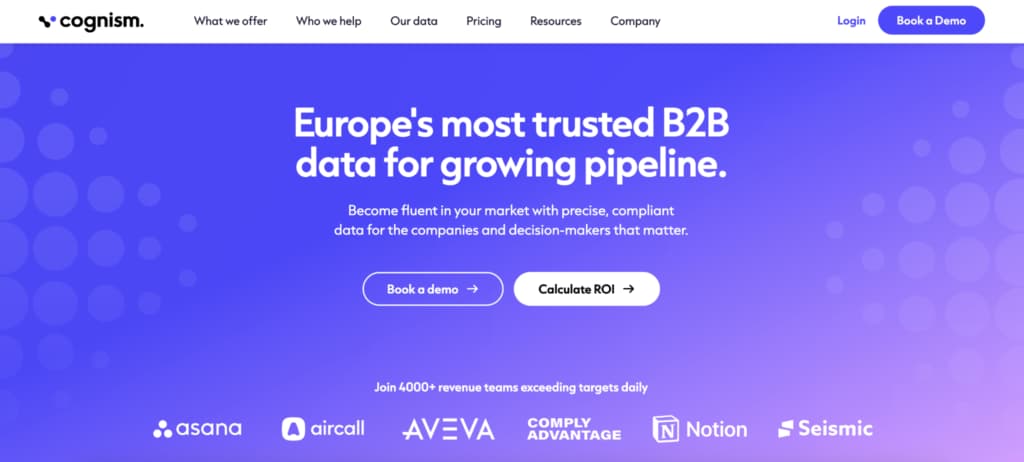
Cognism became especially popular among teams prioritizing verified mobile numbers and direct contact accuracy.
The platform focuses heavily on:
- Mobile verification
- International prospecting
- Compliance workflows
- Buyer intent
- Contact enrichment
Insurance sales teams relying heavily on phone outreach often appreciate Cognism’s emphasis on verified contact data.
Compared to lighter SMB prospecting tools, Cognism feels more operational and enterprise-focused overall.
7. RocketReach
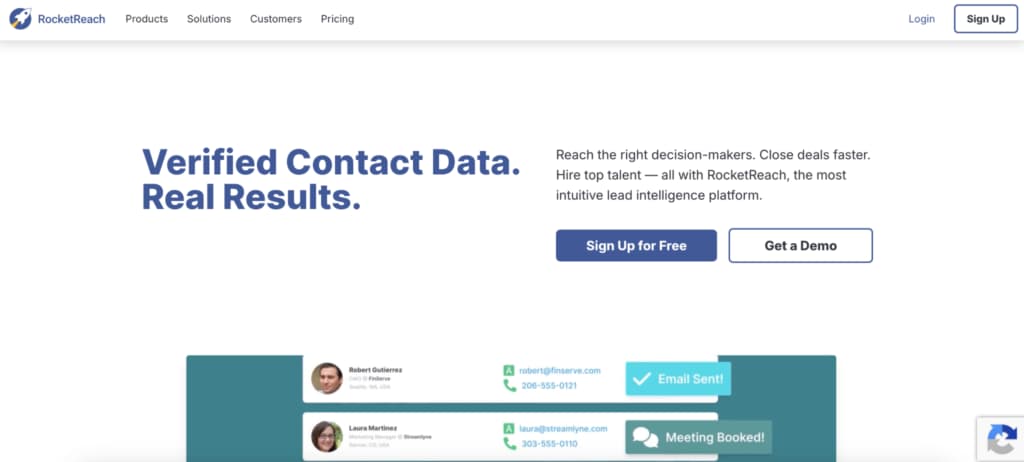
RocketReach works differently from many large prospecting systems because the workflow feels lighter and more tactical.
The platform works especially well for:
- Individual broker lookups
- LinkedIn prospecting
- Smaller outbound teams
- Regional agency targeting
Its strengths include:
- Fast search workflows
- Browser integrations
- Contact discovery
- Lightweight exports
Insurance reps often use RocketReach for targeted prospect research instead of building massive outbound databases.
That narrower workflow fits local agency prospecting surprisingly well.
8. Seamless.ai
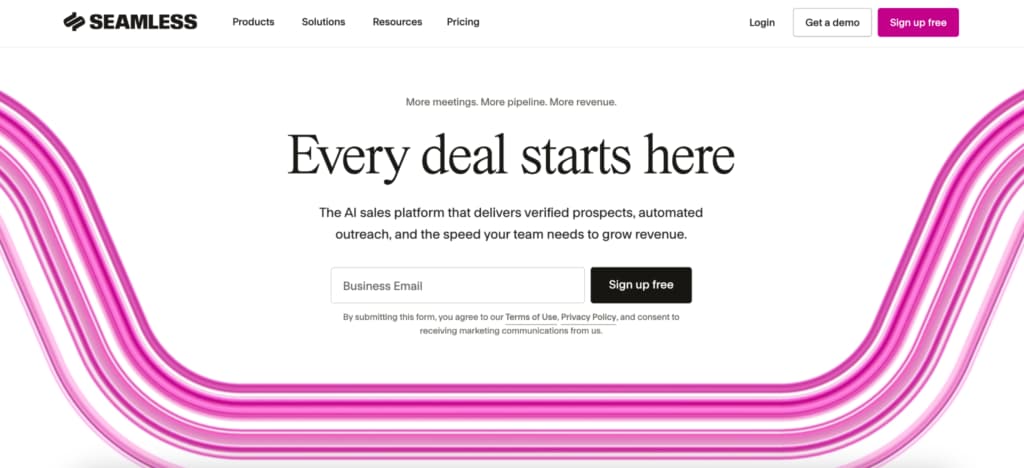
Seamless.ai focuses heavily on real-time prospect discovery and outbound prospecting workflows.
The platform includes:
- Contact discovery
- Sales enrichment
- Direct dial discovery
- CRM integrations
- Prospect search tools
For insurance outreach, Seamless.ai works best for teams prioritizing fast list-building workflows and broader outbound scale.
The platform gives sales teams quick access to agency contacts across multiple regions, though many users still manually review exports before launching campaigns at scale.
Insurance outreach usually works better with regional segmentation
A few years ago, broad national outreach worked reasonably well for many B2B campaigns.
Insurance prospecting shifted much more toward regional targeting recently.
An independent agency in Texas often behaves differently from a brokerage in California or a benefits-focused agency in the Northeast. Buying cycles, product focus, and communication styles vary heavily by market.
That is why many insurance-focused sales teams now prioritize:
- Regional targeting
- Narrower agency segmentation
- Verified direct contacts
- Smaller exports
- Better-fit brokers
instead of giant nationwide campaigns.
Most insurance outreach problems begin with weak filtering
A lot of companies assume poor reply rates come from messaging problems.
Usually, the issue starts much earlier.
Weak insurance segmentation quietly creates:
- Higher bounce rates
- Poor personalization
- Low engagement
- SDR inefficiency
- Wasted outreach volume
The strongest insurance prospecting teams usually spend more time improving targeting quality than increasing campaign scale.
That difference becomes obvious once outreach expands across multiple markets.
Insurance prospecting works better when targeting stays narrow
Insurance outreach becomes expensive very quickly when prospecting data gets sloppy.
Massive exports filled with loosely related financial businesses usually create more cleanup work than opportunity. The strongest platforms for insurance prospecting are not necessarily the companies with the biggest databases. Increasingly, they are the providers capable of filtering agencies and brokers accurately before the export even reaches the sales team.
Some platforms focus heavily on scale and automation. Others prioritize verification and a cleaner industry targeting. Emarketnow stands out because the workflow leans strongly into manually filtered insurance data and more precise agency segmentation instead of relying entirely on broad automated categorization.
For insurance outreach in 2026, cleaner targeting usually outperforms larger exports every time.