
Most budgets have the appeal of a Monday morning alarm clock. They tend to whisper “you can’t” more than “look what you can do.” So let’s scrap that whole idea.
Picture your finances as a personal project you get to build. Every choice you make with your money, whether to save it or spend it, adds another piece to the structure. The cash you keep becomes your materials, growing your project day by day.
This is what gamification does. It swaps out the spreadsheets for something that feels more active. It uses the same hooks that keep you scrolling or playing. That little buzz from checking something off, from seeing a number tick up. Your finances stop being a list of rules and start feeling like something you’re building with your own hands.
Finelo: The Financial Dojo
Think of Finelo less as an app and more as a training ground for your money mind. While its core strength is investment education, its approach is a masterclass in gamification that changes how you view spending.

The platform uses a powerful investing simulator, giving you a virtual portfolio to test strategies with real-market data but no real risk. This is the ultimate “practice mode” that makes you think twice before making an impulse buy.
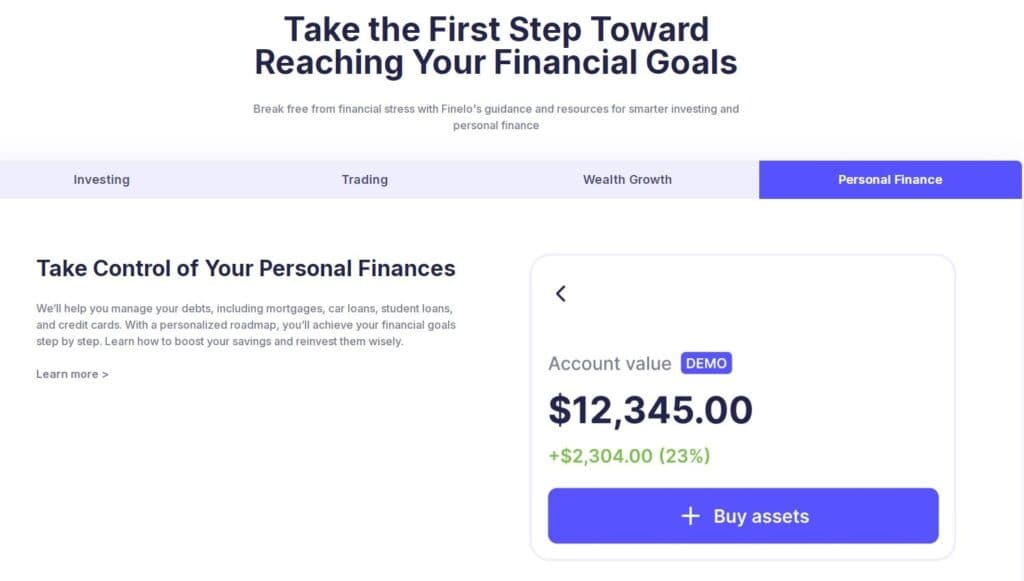
Why spend $50 on another delivery meal when you could see what that money could do in a simulated stock trade? Combined with personalized daily lessons, achievement streaks, and leaderboards, Finelo.com reframes your relationship with money from spending to strategic growth. It’s about building the confidence to make your money work for you.
Fortune City: Where Your Expenses Build a Metropolis
This app cleverly ties your spending habits to a visual reward. Every time you log an expense, you don’t just see a number disappear from your budget; you get to place a new building in your own virtual city. A coffee purchase might place a café, while a utility bill could construct a power plant.

Watching your city thrive becomes a direct motivator to track your spending consistently. The desire to see what new structure you can unlock next makes the sometimes-tedious task of logging purchases feel more like a creative project. It turns budgeting from a numbers game into a tangible, growing world that reflects your financial activity.
Qapital: Your Automated Savings Game Master
Qapital works like a personal assistant for your savings, one that operates on autopilot. You just tell it your conditions. Maybe you want it to stash the extra change every time you buy a coffee. Or perhaps you decide it should set aside a few dollars whenever you stream your favorite show.
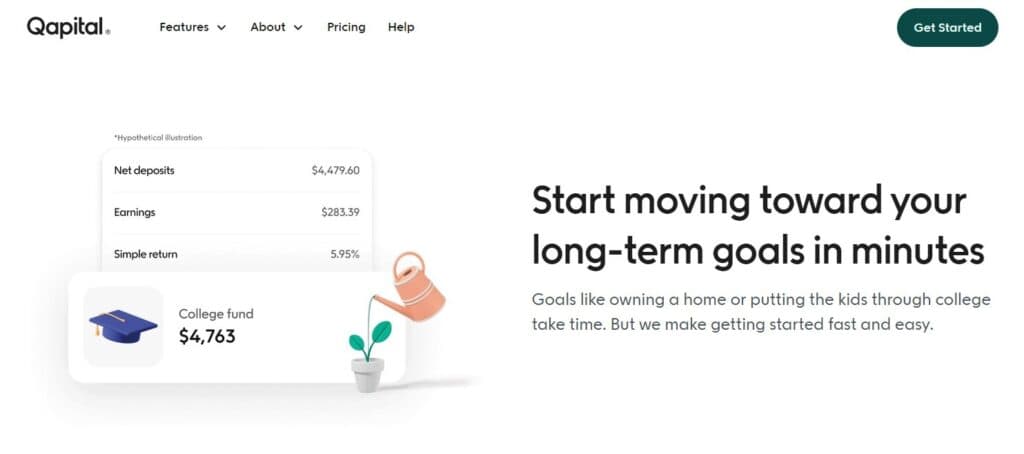
The app handles the work behind the scenes. A small alert pops up to tell you your rule just worked, confirming a bit more cash landed in your savings. It shifts the effort from you remembering to save, to a simple system that runs on its own.
Goodbudget: The Digital Envelope System
Goodbudget digitizes the classic cash envelope system. You create dedicated categories for your spending, like “Weekend Fun” or “Coffee Run.” You fund these digital envelopes with your monthly income. Each purchase you log pulls directly from its specific envelope, giving you a clear picture of exactly what’s left for that part of your life.
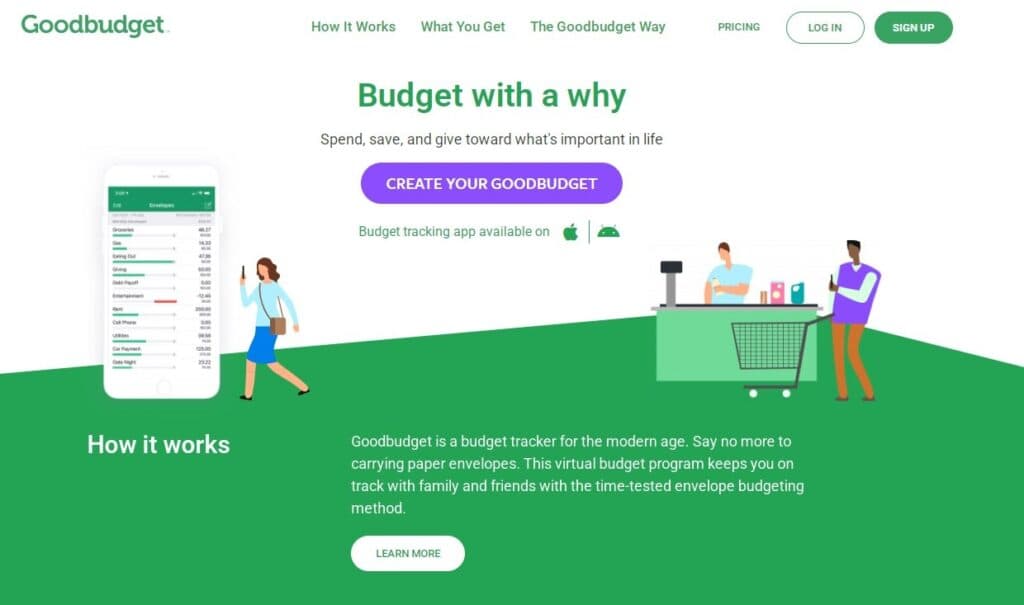
Every time you spend, you open the app and take the money from the right envelope. Watching a specific envelope’s balance drop after a restaurant meal makes the cost feel immediate.
You’re actively deciding which envelope gets lighter. This turns a monthly budget into a series of small, conscious choices. The system makes your financial limits tangible, moving them from a forgotten number into something you interact with daily.
YNAB (You Need A Budget): The Strategy Game of Finance
While not as flashy as other apps, YNAB’s entire methodology is a form of deep gamification for those who love strategy. It uses a simple but powerful rule: “Give every dollar a job.” Setting up your budget feels like assigning your resources (your dollars) to different missions (your spending categories).
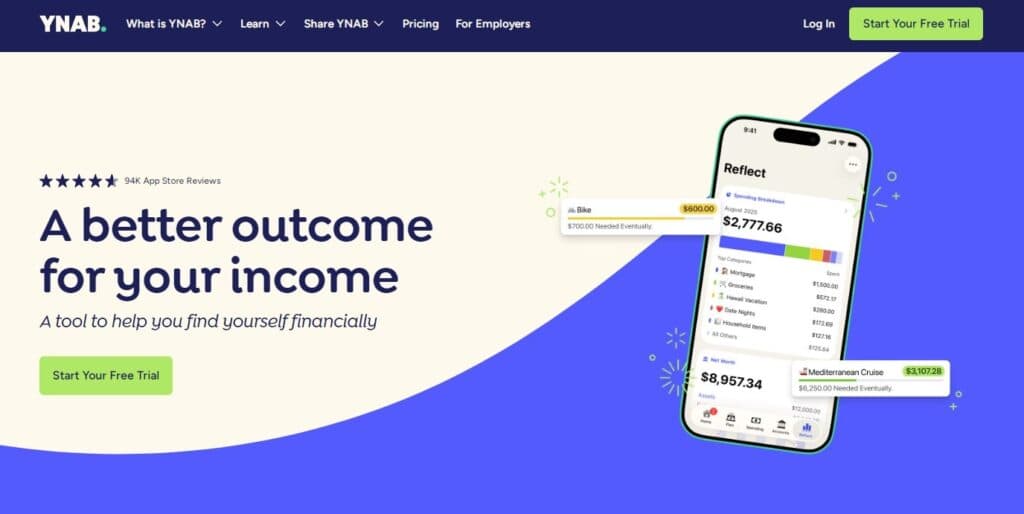
The gamified challenge is to keep all your “soldiers” in line, ensuring no category goes into the red. The satisfaction comes from the “Age of Money” metric, a score that tells you how many days old your money is before you spend it.
Seeing that number get bigger, watching your money get older, becomes its own kind of score. You stop just noting where your cash went and start feeling more in charge of where it’s headed next.
The Psychology Behind the Game: Why This Actually Works
It seems odd that something like a progress bar could change your money habits. But our minds love quick, clear feedback. Watching a number go up today is more satisfying than thinking about a big number you might have in a year.
These apps give you that instant nod. You skip a takeout meal, and an app like Fortune City lets you place a new shop in your virtual town. You log in to Finelo for the tenth day in a row and see your streak alive.
That little win feels good. It turns the vague idea of “doing better with money” into something you can see and touch right now. The good feeling you get from that keeps you coming back.
From Short-Term Wins to Long-Term Habits
The true value appears once these activities stop being a novelty and just become something you do. A fun challenge gives you a strong push at the start.
The apps, however, are what keep you rolling. They provide the steady rhythm that turns a one-off effort into a consistent habit. The challenge gets you on the bike, and the apps help you find your balance for the long ride.
The apps, then, are like removing those training wheels and discovering you can cruise on your own. The constant, gentle nudges from Qapital, the visual city you’ve built in Fortune City, and the confidence gained from Finelo’s simulator all work to rewire your underlying mindset about money.
You begin to instinctively question an unnecessary purchase not because you “shouldn’t,” but because you’re more focused on the rewarding feeling of hitting your next savings milestone or unlocking a new achievement. The game becomes a sustainable part of your financial life.
Final Thoughts
Staring at a budget often feels like a list of restrictions. But what if you could swap that feeling for something closer to the focus you have when solving a puzzle or completing a level?
That’s the space these apps occupy. They aren’t about turning finance into a cartoon. They use the same hooks that make games compelling—a clear mission, that little buzz of progress, a visual reward—and apply them to your money. You might enjoy the structured framework of YNAB, the city-building fun of Fortune City, or the hands-on practice in Finelo’s simulator.
The point is to find a tool that clicks with how you like to interact with things. It becomes less about forcing yourself to budget and more about following a process you find interesting.
That growing balance in your savings account is fantastic, but the true victory lies in how you feel. You begin to carry a quiet assurance, a belief in your ability to make smart decisions with your money. This newfound confidence becomes the real treasure you collect on this journey.
Pick a challenge that seems interesting. Find an app that looks simple to use. Then just begin. Your finances are a project ready for you to build.